
Daily Current Affairs UPSC 03 August 2024
Welcome to our daily current affairs blog post for UPSC aspirants! In today's edition, we will be discussing the most significant events and news updates that took place on 3rd August 2024. Staying updated with current affairs is crucial for UPSC preparation, as it not only helps you stay informed but also enhances your understanding of various subjects. So, let's dive into the important happenings of the day and explore their potential impact on the upcoming UPSC examinations.

Axiom Mission 4 (Ax-4)
- India has chosen Shubhanshu Shukla and Prasanth Balakrishnan Nair, both Group Captains in the IAF, for the Axiom-4 mission.
- The selected individuals will undergo training in the U.S. as part of the mission.
- The experience gained during the Axiom-4 mission is expected to be beneficial for India's human space programme.
- Axiom Mission 4 (Ax-4) is the fourth private astronaut mission of NASA and Axiom Space, a private U.S. company.
- Ax-4 is scheduled to dock with the International Space Station (ISS) for a period of fourteen days.
- Axiom Space has enlisted SpaceX as the launch provider for the mission.
Global Alliance for Improved Nutrition (GAIN)
- GAIN released a report advocating for investment in nutritious food value chains to address gender disparities, boost productivity, and improve business resilience.
- The report emphasizes the importance of nutrition investments in the agri-food sector for achieving these goals.
- GAIN is a Swiss NGO established in 2002 at the United Nations to combat malnutrition and promote public-private partnerships to improve access to essential nutrients in diets.
Surrogate Advertisement
- Ministry of Health has requested Sports Authority of India and BCCI to stop sportspersons from promoting tobacco/alcohol through surrogate advertising.
- Surrogate advertising is when a product that cannot be advertised openly is promoted indirectly through ads that build brand recognition without explicitly naming the product.
- This type of advertising became popular in India after the Cable Television Networks (Regulation) Act, 1995 banned direct advertising of liquor, tobacco, and cigarettes.
- Surrogate advertisements are now prohibited under the Guidelines for Prevention of Misleading Advertisements and Endorsements for Misleading Advertisements, 2022.
World Trade Statistics 2023
- The WTO released a report called "World Trade Statistics 2023" which focused on agriculture exports.
- The top 5 exporters in 2023 were the EU, US, Brazil, China, and Canada.
- The top ten exporters collectively accounted for 71.9% of world exports in 2023.
- India was the 8th largest exporter, with exports worth $51 billion making up 2.24% of agriculture exports in 2023.
Sovereign Green Bond (SGrB)
- The second auction of sovereign green bonds in the current financial year did not receive a strong response from traders because they were not willing to pay a premium for the green bonds.
- Greenium is the term used to describe the pricing benefits that investors are willing to pay extra for or accept lower yields for sustainable impact.
- Sovereign green bonds are used to finance or refinance projects that have environmental benefits.
- The Union Budget for 2022-23 announced the issuance of sovereign green bonds to mobilize resources for green infrastructure.
- The government issued a framework for sovereign green bonds in 2022.
Schistura Sonarengaensis
- A new species of loach fish has been discovered in caves in Meghalaya's South Garo Hills district.
- Loach fish are small freshwater fish native to central and southern Asia.
- They are nocturnal and can be found in both still and flowing waters.
- Loach fish use their barbels as sensory organs to search for food like worms and larvae.
- The newly discovered species, Schistura Sonarengaensis, has prominent eyes and a dull white or pale beige body.
- Unlike other cave species in the area, this species is not blind.
FASTag
- Starting from August 1, 2024, new FASTag rules require linking it with vehicle registration and mobile number.
- FASTag is a device that uses RFID technology to make toll payments while the vehicle is moving.
- RFID technology uses radio waves to read information from a wireless tag at a distance.
- FASTag is a flagship programme of the Ministry of Road Transport and Highways and NHAI.
- Benefits of FASTag include operationalizing the National Electronic Toll Collection program with nationwide interoperability and reducing congestion and cash handling at toll plazas.
Maritime Partnership Exercise (MPX)
- The Indian Naval Ship Tabar recently took part in a maritime Partnership Exercise (MPX) involving India and Russia.
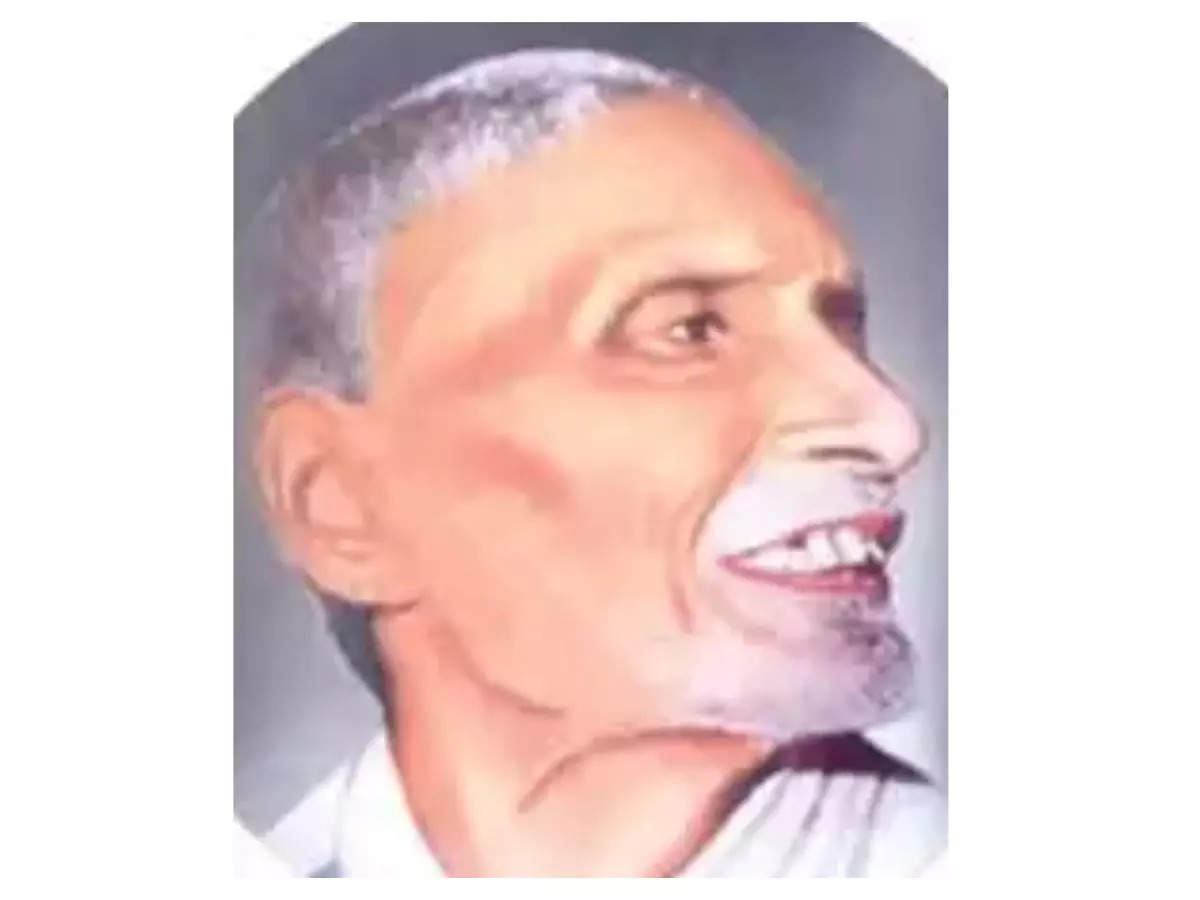
Pingali Venkayya
- PM recently honored Pingali Venkayya on his birth anniversary.
- Pingali Venkayya was born in Andhra Pradesh and was a freedom fighter.
- He believed in Gandhian Principles and made significant contributions to India.
Key Contributions of Pingali Venkayya
- Designed the Indian National Flag on request of Mahatma Gandhi.
- Served as a soldier in the British Army during the Anglo Boer war in Africa.
- Participated in various movements including Swadeshi Andolan under Gandhi's leadership.
- Wrote 'Bharatha Deshaniki Oka Jatiya Patakam' (National flag of India).
- Earned titles like Patthi (Cotton) Venkayya & Jhanda (flag) Venkayya.
Values - Courage, Nationalism, Patriotism, etc. were important values to him
The Rise of DEWs
- India has recently made substantial investments in Directed Energy Weapons (DEWs).
- DEWs are weapons that utilize concentrated energy from electromagnetic or particle technology instead of kinetic energy.
- The investments in DEWs aim to degrade or destroy targets efficiently.
Applications of Directed Energy Weapons
- Military Defense: DEWs are used to intercept and destroy incoming missiles, neutralize drones, and disable enemy electronics.
- Law Enforcement and Border Security: Non-lethal DEWs like microwaves or lasers can be used for crowd control and border security.
- Space Operations: DEWs are used to protect satellites from debris and anti-satellite weapons.
Types of Directed Energy Weapons:
High Energy Lasers (HEL)
- Utilize intense light to eliminate targets.
- Susceptible to atmospheric conditions like rain or fog.
High Power Microwaves (HPMs)
- Emit high-frequency electromagnetic waves to disrupt electronic systems and incapacitate individuals.
Millimeter Waves
- Operate with wavelengths ranging from 1 to 10 millimeters.
- Applied in non-lethal military scenarios such as crowd control.
Particle Beam Weapons
- Employ accelerated particles like protons or electrons to cause harm.
Advantages of Directed Energy Weapons
- Complementary to conventional weapons: DEWs use energy fired at the speed of light, making them faster and potentially less costly.
- Reduced Logistical Demand: DEWs reduce the need for physical ammunition.
- Other advantages include precision, stealth, and increased destructiveness.
Challenges of Directed Energy Weapons
- Less effective for farther distances.
- Wider beam DEWs, such as high power microwave or millimeter wave weapons, can affect all assets, whether friend or foe.
- Uncertainty around the long-term health effects of DEWs on people.
Steps taken by India in Directed Energy Weapons Development
- Directionally Unrestricted Ray-Gun Array (DURGA)-II Project: Initiated by DRDO to build a 100-kilowatt lightweight DEW.
- 2kW Directed Energy Weapon (DEW) System: Developed by Bharat Electronics Limited for countering new threats like drones.
- Laser Science and Technology Centre (LASTEC): A laboratory of DRDO developing direct energy weapons.
"Seaweed Value Chain Development Report by NITI Aayog"
- Seaweeds are various types of marine plants and macro algae found in rivers, lakes, and other bodies of water.
- The cultivation of seaweeds is included in aquaculture practices.
- The fishing and aquaculture sector makes up 1.5% of India's GDP.
Significance of Seaweed Farming
- Economic importance: Seaweeds are valuable for bioactive compounds and have various applications in food and pharmaceuticals, contributing to the economy.
- Environmental significance: Seaweeds play a crucial role in Carbon Sequestration and climate resilience, benefiting the environment.
- Nutrition imperative: Seaweeds provide essential minerals and vitamins like A, B1, B12, etc., promoting good health.
Challenges faced by Seaweed Farming
- Lack of comprehensive policy framework: There is a need for a clear policy to regulate and support seaweed farming.
- Lack of availability of quality seeds: Access to high-quality seeds is essential for successful cultivation.
- Ecological concerns: Introduction of exotic species can impact biodiversity and coral reefs, posing a threat to the ecosystem.
Recommendations For Promoting Seaweed Farming
- Regulatory and governance reforms: Establishing a National Steering Committee and implementing Priority Sector Lending (PSL) for seaweed farming.
- Social Security and Financial Support: Providing crop insurances and mobilizing farmers through Self-Help Groups (SHGs).
- Infrastructure and institutions: Setting up seed banks, processing centers, and marketing centers to support the growth of the seaweed industry.
Steps taken by India
- PM Matsya Sampada Yojana: Aiming for 1 million ton seaweed production per year by 2025.
- Expert committee chaired by Dr. V K Saraswat: Reviewing the draft policy on the development of the seaweed value chain in India.
- Offshore cultivation in Andaman region: Initiated by the National Institute of Ocean Technology- Atal Centre for Ocean Science and Technology for Islands (NIOTACOSTI).
- Development of a GIS-based portal: Allowing stakeholders to view mapped seaweed cultivation sites for better planning and management.
"China's FDI: A Boon for Indian Exports"
- The Economic Survey for the year 2023-24 recommended utilizing Foreign Direct Investment (FDI) from China to take advantage of the 'China plus one Strategy'.
China Plus One Strategy
- International businesses in China are investing in a second facility in another Asian country due to various disruptions.
- This strategy has benefited countries like Mexico, Vietnam, Taiwan, and Korea.
Beneficiaries
- Mexico, Vietnam, Taiwan, and Korea have benefited from the US diverting trade away from China.
- India could benefit from this by either joining China's supply chain or attracting Chinese foreign direct investment (FDI).
- Encouraging Chinese FDI in India is more advantageous due to the growing trade deficit with China.
- Having Chinese companies invest in India for export is more effective than importing Chinese goods for re-export with little added value.
- Many countries that have benefited from trade diversion have also seen an increase in FDI from China.
Concerns with Chinese FDI in India
- Ongoing military tensions are causing a border dispute between China and neighboring countries, as China seeks to exert regional dominance.
- Chinese foreign direct investment (FDI) poses security risks as it could potentially be used for espionage activities, especially considering China's National Intelligence Law which requires cooperation with national intelligence efforts.
- China's support for Pakistan further complicates the security situation in the region, as it could potentially lead to increased tensions and conflicts.
India-China Economic Relations
- China is India's top import partner with bilateral trade amounting to US$ 118.4 billion in FY24.
- India faces a trade deficit of around US$ 85 billion with China.
- China's FDI in India has been relatively low, around 0.37% of total FDI inflow.
- India has implemented initiatives like the PLI Scheme and anti-dumping duties to narrow the trade deficit.
"Cabinet Approves 8 High-Speed Road Projects"
- Approved projects cover a total distance of 936 km.
- Total capital cost for these projects is Rs. 50,655.
- Projects will be implemented through PPP modes like BOT, HAM, and EPC.
Highway Development in India
- The Corridor-Based Approach has resulted in the discovery of 50,000 km of High-Speed Highway Corridors using GSTN and toll data.
- From 2014 to 2024, the length of National Highways has grown by 1.6 times, increasing from 0.91 lakh km to 1.46 lakh km.
- The total capital investment in National Highways has also seen a significant increase, rising from Rs. 50,000 crores to Rs. 3.1 lakh crore.
Benefits of Corridor-Based Highways
Logistics Efficiency:
- Agra-Gwalior corridor will decrease distance by 7% and reduce travel time by 50%
- Boosts freight movement and ease of doing business in India.
Boost to Tourism:
- Tharad-Ahmedabad corridor connects key tourist destinations in Rajasthan and Gujarat.
- Provides connectivity to Mehrangarh Fort, Dilwara Temple, Rani ka Vav, Ambaji Temple.
Other Economic Benefits:
- Each rupee spent on infrastructure boosts GDP by 2.5-3 times.
- 8 projects will create around 4.42 crore mandays of direct and indirect employment opportunities.
Key Projects
| Name | Mode |
|---|---|
| Agra-Gwalior | BOT* |
| Kharagpur-Moregram | HAM |
| Tharad-Ahmedabad | BOT |
| Ayodhya Ring Road | HAM |
| Raipur-Ranchi | HAM |
| Kanpur Ring Road | EPC** |
| Guwahati Ring Road | BOT |
| Nashik-Khed | BOT |
- *BOT: build-operate-transfer, ^HAM: hybrid-annuity model.
- **EPC: engineering, procurement and construction.
"RBI Updates NPAs Provision Norms for Co-op Banks"
- Some banks were not recognizing required provisions for Non-Performing Assets (NPAs) as an expense.
- New norms will bring uniformity in treatment of Bad & Doubtful Debt Reserve (BDDR).
- Co-operative banks established BDDR for financial stability.
New Norms
- All provisions under Income Recognition, Asset Classification, and Provisioning (IRACP) norms must be charged as an expense.
- Co-operative banks may make appropriations of net profits to BDDR after accounting for all provisions..
Co-operative Banks
- Operate on principle of cooperation and are owned and operated by their members.
- Can be divided into Rural and Urban co-operative banks.
Issues with Co-operative Banks
- Regional Disparity: Concentration of UCBs in Western and Southern regions.
- Dual Regulation: State governments oversee managerial activities while banking activities are regulated by RBI/NABARD.
- Other issues: Inadequate capital raising avenues, High Gross NPAs.
Reforms in Co-operative Banks
- Banking Regulation (Amendment) Act, 2020 brought management, governance, winding up under RBI's purview.
- Establishment of National Federation of Urban Co-operative Banks for better organization and regulation.
Deceptive Dark Patterns in Top Indian Apps: ASCI Report
- A recent report by the Advertising Standards Council of India (ASCI) titled "Conscious Patterns" shows that the majority of Indian apps employ misleading or unethical tactics in their business practices.
Dark Patterns
- Definition: ASCI's report on "Conscious Patterns" highlights deceptive business practices in Indian apps.
- Impact: Users face financial losses, data breaches, and compromised privacy due to dark patterns.
- Initiative: ASCI and Department of Consumer Affairs issued guidelines in 2023 to prevent and regulate deceptive patterns.
Key Dark Patterns Identified by ASCI Study
- Privacy Deception: Manipulating users into sharing more personal data than intended.
- Interface Interference: Hiding parts of the platform to misdirect users.
- Drip Pricing: Revealing additional fees gradually to make the final price higher.
- False Urgency: Creating artificial pressure to prompt immediate action.
- Confirm-Shaming: Using guilt or social pressure to manipulate users into confirming actions.
Conscious Pattern Website
- A 'Conscious Pattern Website' has been created based on the study.
- It helps makers build Digitally Conscious Products.
- The vision is to enable informed consumer choices online.