
Discuss various modes of preservation of fossils. IAS 2024, 15 Marks
Discuss various modes of preservation of fossils. IAS 2024, 15 Marks

Introduction:
Preservation of fossils is crucial in order to study and understand the history of life on Earth. There are various modes of preservation that can occur, each resulting in different types of fossils.
Modes of Preservation of Fossils
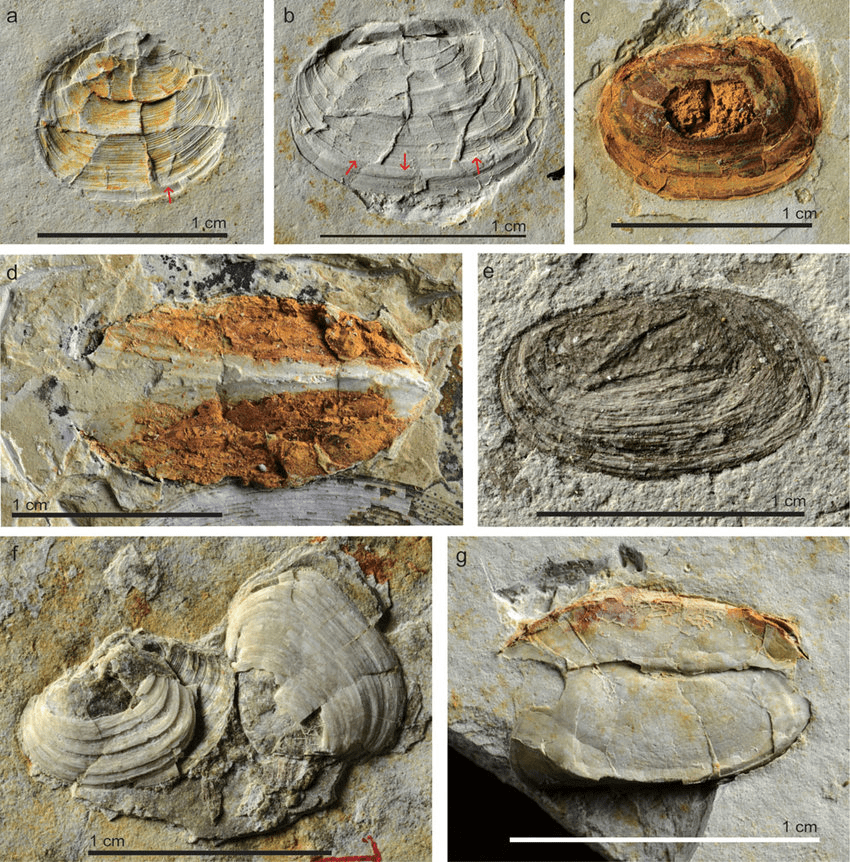
1. Unaltered Preservation
- The original composition of the organism remains unchanged.
- Examples:
- Unaltered Soft Parts:
- Whole organisms preserved through freezing or mummification.
- Example: Woolly mammoths frozen in permafrost, insects trapped in amber.
- Unaltered Hard Parts:
- Bones, shells, and teeth retain their original composition.
- Example: Marine animals' skeletons like corals and mollusks.
- Unaltered Soft Parts:
2. Altered Preservation
- The composition or structure of the original biological material is changed due to geological processes.
- Types:
- Petrification:
- Replacement of organic material with minerals like silica or calcite.
- Examples: Dinosaur bones, petrified wood.
- Recrystallization:
- Original skeletal compounds change to a more stable form.
- Example: Aragonite in shells transforming into calcite.
- Carbonization and Coalification:
- Volatile elements like hydrogen and oxygen are removed, leaving a carbon-rich film.
- Example: Fossilized leaves, coal formation.
- Molds and Casts:
- Molds: Hollows in rock where the organism has dissolved.
- Casts: Molds filled with minerals forming a replica of the organism.
- Authigenic Mineralization:
- Precipitation of minerals around the organism, forming nodules.
- Example: Mazon Creek fossils in Illinois, USA.
- Adpression:
- Compression of organisms under sedimentary layers, leaving an impression.
- Examples: Plant leaves, feathers.
- Bioimmuration:
- An organism overgrows another, preserving the latter within its skeleton.
- Example: Ordovician bryozoans.
- Trace Fossils:
- Indirect evidence like footprints, burrows, or feeding marks.
- Examples: Dinosaur tracks, burrows of worms.
- Petrification:
Conclusion:
The various modes of fossil preservation provide valuable insights into the history of life on Earth. Each mode results in different types of fossils, each with its own unique characteristics and preservation process. By studying these fossils, scientists can reconstruct the past and learn more about the evolution of life on our planet.