
What is Polymorphism? Explain it with respect to life cycle of Obelia. (IAS 2024/15 Marks)
What is Polymorphism? Explain it with respect to life cycle of Obelia. (IAS 2024/15 Marks)

Introduction
Polymorphism is the occurrence of different forms or types within a single species. It is a common phenomenon in the animal kingdom and plays a crucial role in adaptation and survival. One classic example of polymorphism can be seen in the life cycle of Obelia, a genus of marine hydrozoans.
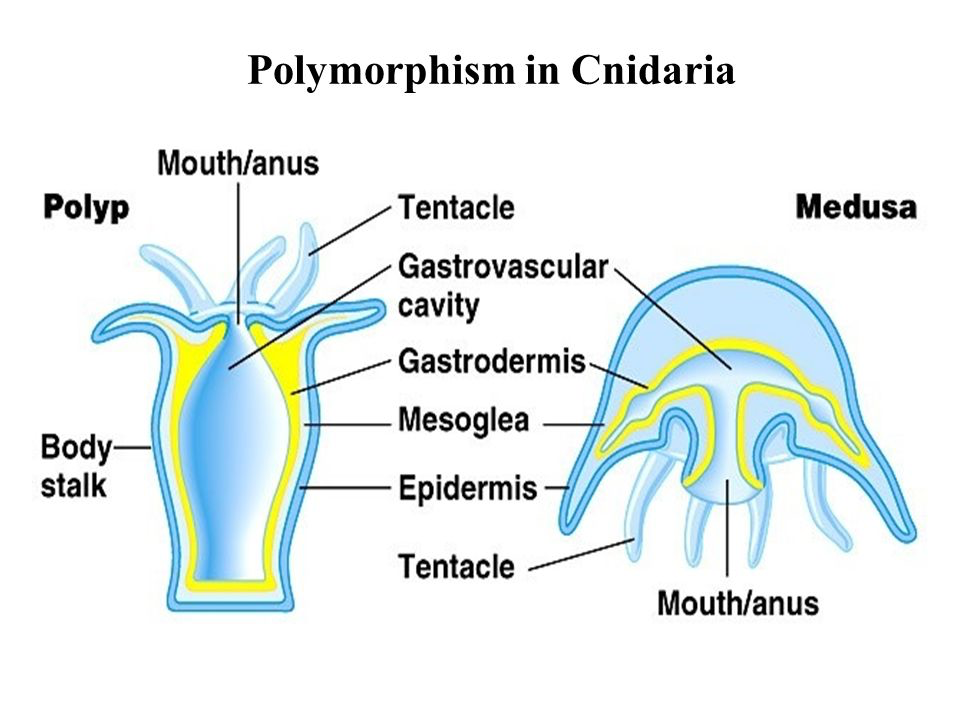
Polymorphism in the Life Cycle of Obelia
Polymorphism refers to the occurrence of two or more distinct forms or types within a species' population, especially in relation to its structure, function, or life cycle.
- Polymorphism in Obelia
- Obelia exhibits colonial polymorphism, meaning the organism has different types of zooids (specialized individuals) that perform various functions.
- The three main forms are:
- Gastrozooids: responsible for feeding
- Gonozooids: responsible for reproduction
- Dactylozooids: responsible for defense (in some related species)
- Gastrozooids (Feeding Polyps)
- These polyps have tentacles and a mouth and are specialized in capturing food for the colony.
- They provide nutrition to the entire colony via a shared gastrovascular cavity, demonstrating a clear division of labor.
- Gonozooids (Reproductive Polyps)
- These polyps are responsible for reproduction.
- They do not have tentacles for feeding. Instead, they produce medusae, which are free-swimming reproductive forms that disperse to give rise to new colonies.
- The medusae represent the sexual phase of Obelia’s life cycle.
- Medusae Stage (Sexual Reproduction)
- The medusae released from the gonozooids are sexually reproductive and represent another distinct form in the life cycle.
- Medusae release gametes into the water, where fertilization occurs, forming a zygote that develops into a new polyp colony.
Examples of Polymorphism in Zoology
- Portuguese Man O' War (Physalia physalis)": This marine organism exhibits extreme polymorphism with different specialized individuals forming the colony, such as the pneumatophore for buoyancy and specialized polyps for feeding, defense, and reproduction.
- Hydra: Although not colonial like Obelia, Hydra shows a simpler form of polymorphism with differentiated cells that perform specific functions, such as stinging cells (cnidocytes) for defense and capture of prey.
- Velella (Velella velella): Known as "By-the-Wind Sailor," this organism shows polymorphism similar to Obelia with different polyps responsible for different functions in the colony.
Conclusion
Polymorphism in the life cycle of Obelia allows for both asexual and sexual reproduction, enabling the species to adapt to different environmental conditions and maximize its reproductive success. This complex life cycle highlights the importance of polymorphism in the evolutionary success of organisms and underscores the intricate mechanisms of adaptation and survival in the natural world.